

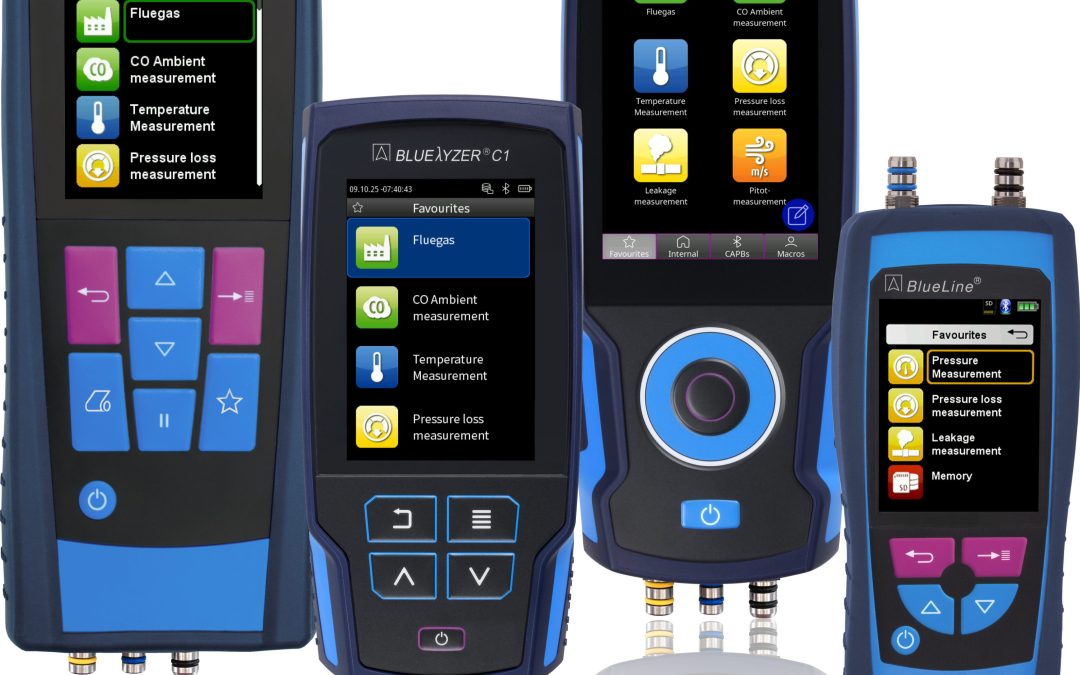
A combustion analyzer can provide valuable information about how efficiently and safely fuel-burning equipment is operating. But not every application requires the same analyzer.
A technician servicing residential or commercial heating equipment may have very different requirements from a maintenance team working with industrial boilers and burners.
Before purchasing a combustion analyzer, the key is to understand what you need to measure, where you will use the instrument and what you need to do with the results.
Start With the Application
The first question isn’t necessarily which analyzer has the most features. It’s what equipment are you testing?
Common applications include:
- Furnaces and heating systems
- Commercial boilers
- Industrial boilers and burners
- Process heating equipment
- Engines and generators
- Combustion tuning and troubleshooting
- Emissions-related testing
For routine HVAC service, portability, ease of use and fast measurements may be priorities. Industrial applications may require broader measurement ranges, additional gas sensors, specialized probes or more advanced data logging and reporting.
Identifying the application first can prevent paying for capabilities you don’t need – or selecting combustion testing equipment that can’t handle the work you intend to perform.
Determine Which Gases You Need to Measure
Oxygen (O₂) and carbon monoxide (CO) are two of the most common direct measurements in portable combustion analysis.
Depending on the analyzer and application, other measurements may include gases such as nitric oxide (NO) or nitrogen oxides (NOx). Instruments can also use measured values to calculate parameters such as carbon dioxide (CO₂), excess air and combustion efficiency.
The appropriate configuration depends on the fuel, combustion equipment and purpose of the test.
For example, an HVAC technician primarily concerned with combustion setup and safety may have different sensor requirements from an industrial facility conducting more advanced burner or emissions testing.
Don’t Ignore Measurement Range
Knowing what an analyzer measures isn’t enough. You also need to know the range it can measure.
This becomes particularly important in industrial applications where gas concentrations can differ substantially from those encountered during typical HVAC service.
An analyzer should be selected for the conditions it is expected to encounter rather than simply choosing the instrument with the longest specification sheet.
Consider Temperature, Draft and Pressure
Combustion analysis involves more than gas concentrations.
Flue-gas temperature and combustion-air temperature are important when evaluating combustion performance and energy losses. Natural Resources Canada, for example, uses flue-gas temperature, combustion-air temperature and flue-gas O₂ among the measurements used in its boiler stack-loss methodology.
Depending on your work, draft or differential pressure measurement may also be useful.
An instrument capable of handling multiple measurements can reduce the amount of equipment technicians need to carry and make field testing more efficient.
Look at the Probe and Sampling System
The analyzer itself is only one part of the system.
Consider the temperature rating, length and construction of the probe and sampling hose. The right setup for a relatively accessible commercial furnace may not be appropriate for a large industrial boiler or high-temperature application.
Filters, water traps and other sample-conditioning components also need to be considered because contaminants and condensate can affect the sampling system and potentially damage sensors.
Think Beyond the Initial Purchase Price
Two combustion analyzers with similar capabilities can have very different long-term ownership requirements.
Before purchasing, investigate:
- Sensor life and replacement cost
- Calibration requirements
- Availability of replacement sensors and filters
- Battery life
- Probe and accessory availability
- Warranty and technical support
- Service availability in Canada
For organizations operating several instruments, maintenance and calibration requirements can become especially important.
Consider Reporting and Data Logging
If measurements need to be documented for customers, maintenance records or internal reporting, consider how easily the analyzer stores and exports results.
Some users may only need to see measurements in real time. Others may benefit from onboard memory, downloadable data, wireless connectivity or software-generated reports.
These features can be particularly valuable for contractors who need to document before-and-after combustion readings or industrial teams tracking equipment performance over time.
Choosing the Right Combustion Analyzer
There isn’t one combustion analyzer that is ideal for every application.
A better selection process starts by defining:
Application → Fuel → Required gases → Expected measurement range → Temperature and pressure requirements → Probe configuration → Reporting requirements → Calibration and service needs
Working through those requirements makes it much easier to narrow down the available options.
For Canadian HVAC contractors, boiler technicians and industrial maintenance teams, local access to technical support, replacement sensors, calibration services and accessories should also factor into the purchasing decision.
Need Help Selecting a Combustion Analyzer?
Choosing between analyzer configurations can become complicated quickly, particularly for industrial applications.
Dynamic Agencies can help you compare combustion analyzers and combustion testing equipment based on your specific application. Contact our team to discuss your requirements or request a quote.